Just as I was casually walking around Botanic Gardens in Belfast, I stumbled upon Contagious Poetry and we wrote a poem together about my daughter Rozalia.
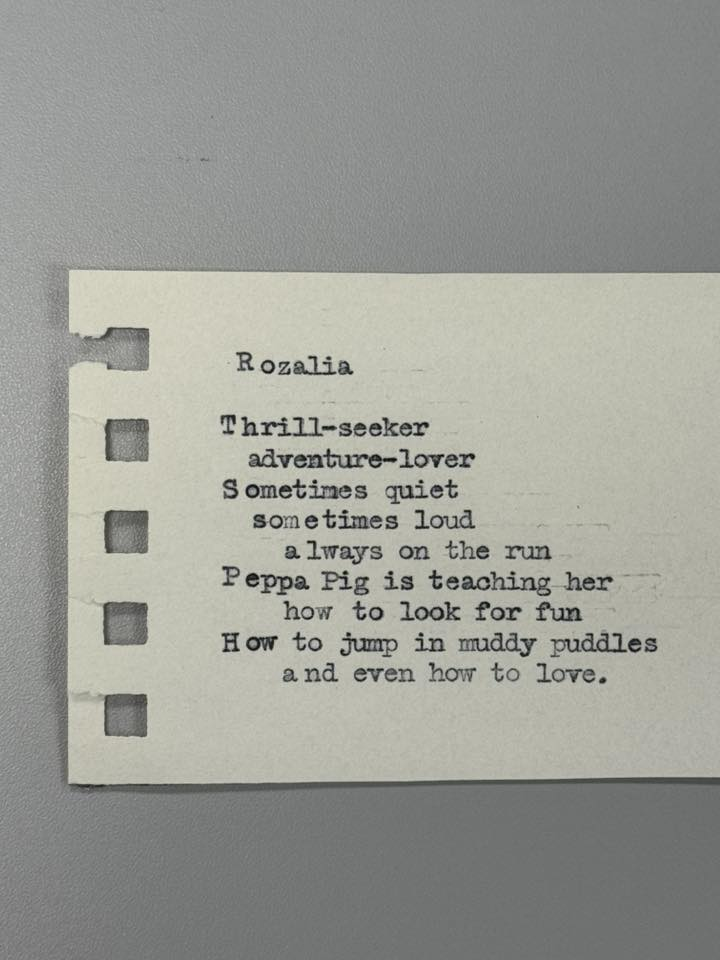
You can check Contagious Poetry Instagram here:
Just as I was casually walking around Botanic Gardens in Belfast, I stumbled upon Contagious Poetry and we wrote a poem together about my daughter Rozalia.
You can check Contagious Poetry Instagram here:
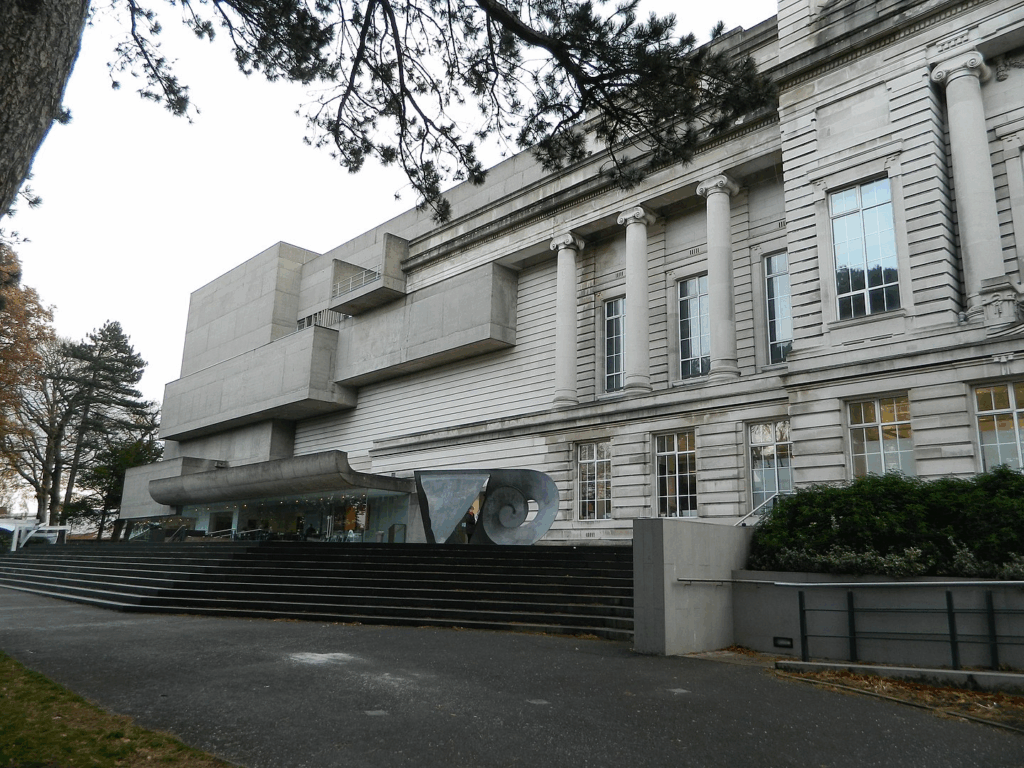
Tucked into the leafy calm of Botanic Gardens, the Ulster Museum is where Belfast goes when it wants to tell a story – about dinosaurs and dragons, shipwrecks and civil rights, fashion and fossils, paintings and politics. It’s the largest museum in Northern Ireland, with around 8,000 m² of galleries filled with art, history and natural science.
Step outside and you’re in one of the nicest corners of the city:
It’s hard to beat that combo.
The story starts in 1821 with the Belfast Natural History Society, whose small collection grew into the Belfast Municipal Museum and Art Gallery. The institution moved into Botanic Gardens in 1929, into a classical building designed by James Cumming Wynne.
In 1962 it officially became the Ulster Museum, and a dramatic Brutalist concrete extension followed in the early 1970s – those big grey cubes that jut out over the trees, loved by architecture fans and side-eyed by everyone else.
The whole place closed in 2006 for a major £17m refurbishment and reopened in October 2009 with a bright central atrium, new galleries, and better access throughout. Since then it has regularly ranked among Northern Ireland’s busiest visitor attractions and has picked up multiple awards, including the UK Art Fund Prize.
The Ulster Museum is essentially three museums under one roof:
You move between them via that big “hall of wonder” atrium – glass lifts, bridges, and odd things hanging overhead. It feels more like exploring a ship than walking through a building.
Here’s what to expect in each section:
History: From Spanish Armada to the Troubles
The history galleries walk you from prehistoric Ireland right through to very recent events. Highlights often include:
It’s not a dry, glass-case sort of history. There are films, personal stories, and objects you’ll recognise from news footage if you’ve grown up anywhere near here. It’s one of the best places to get context for everything else you see on the streets of Belfast – murals, memorials, even the way districts are divided.
Biology & Natural Sciences: Dinosaurs, Fossils and Habitats
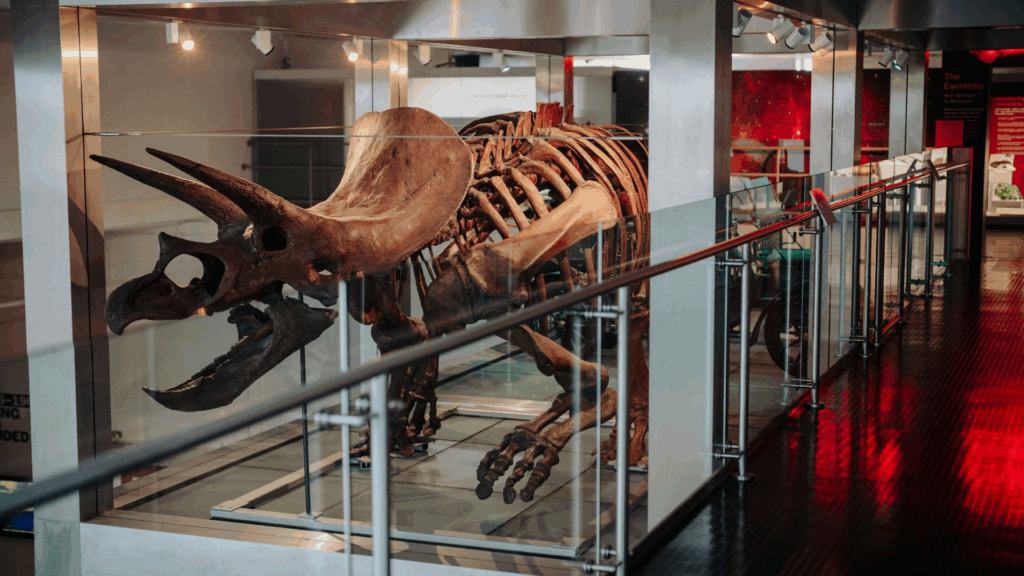
Upstairs, things get wilder. The natural science galleries cover zoology, geology and botany:
Ulster Museum’s collections are rooted in serious scientific work – there’s a huge herbarium and extensive zoological collections behind the scenes – but the public galleries are very hands-on and family-friendly.
Art & Design: Irish Masters and Global Voices
The art galleries shift the mood again: quiet rooms, polished floors, and that hush you automatically adopt around paintings.
The collection is strong in:
You can walk from a 19th-century landscape to a sharp, modern installation in a few steps. It’s a nice counterpoint to the heaviness of some of the historical material downstairs.
The Visit: Practical Vibe
A few things that make Ulster Museum especially easy to recommend:
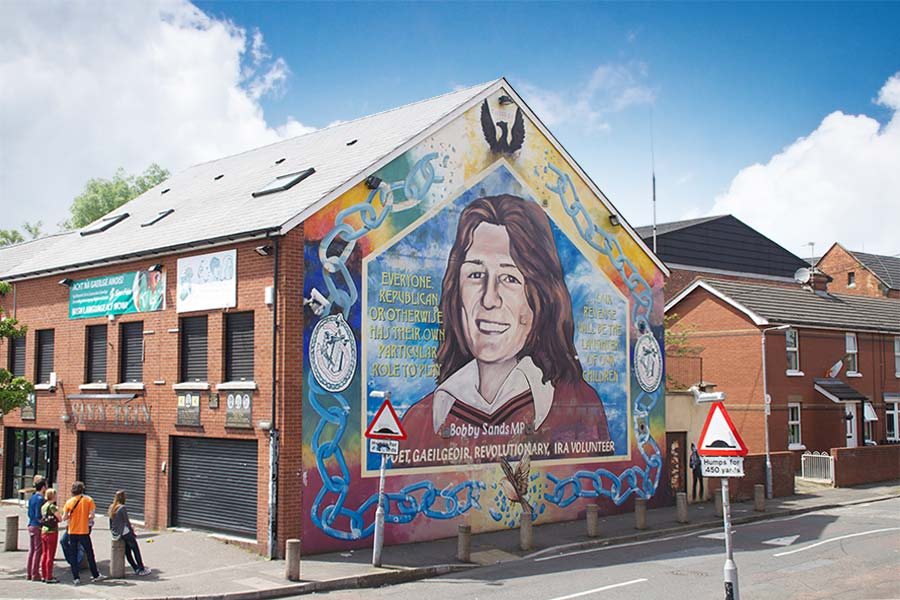
The Bobby Sands Mural – Falls Road
Where is it?
On the gable wall of Sinn Féin’s offices on the Falls Road, at the corner of Sevastopol Street in West Belfast.
What does it show?
A large smiling portrait of Bobby Sands, with a quote:
“Everyone, Republican or otherwise, has their own particular role to play.”
The mural also includes Celtic knotwork, doves and a black phoenix at the top – a symbol of rebirth adopted by the republican movement after the late-1960s violence in the area.
What story does it tell?
Bobby Sands was a Provisional IRA member and prisoner who died on hunger strike in 1981, after being elected as an MP while in jail. His death, and the wider hunger strikes, became a turning point in the conflict, pushing republicanism further towards electoral politics.
The mural is probably the single most recognisable mural in Northern Ireland, appearing in guidebooks, documentaries and on almost every Black Taxi tour.
Why visit?
Standing in front of it, you’re right in the heart of nationalist West Belfast. You can feel how art, memory and politics are still tightly woven together here.
The International Wall – Divis Street / Falls Road
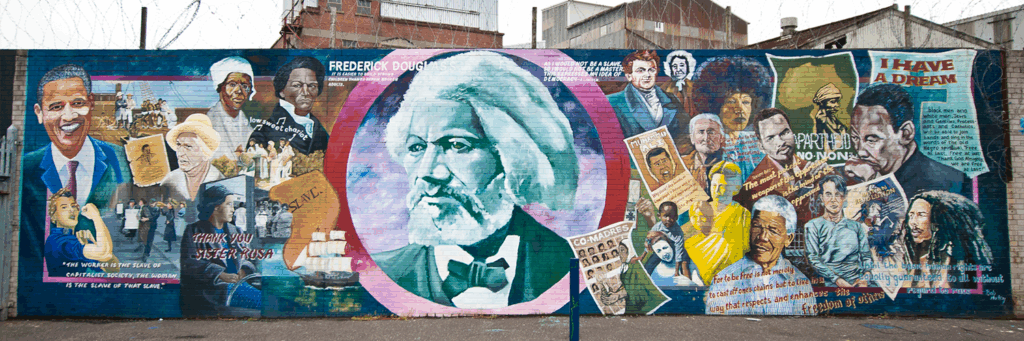
Where is it?
Along Divis Street, just before it becomes the Falls Road, at the edge of West Belfast near Divis Tower and the Peace Wall.
What does it show?
Not one mural but a long stretch of constantly changing pieces – portraits, scenes and slogans about:
What story does it tell?
The International Wall takes the local experience of conflict and connects it to struggles elsewhere. Instead of a single narrative, you get a rolling exhibition of political street art – about oppression, resistance, and demands for justice around the world.
Why visit?
If you only have time for one spot, make it here. You can walk the length of the wall, read the captions, and see how new layers of history get painted literally over old ones.
King Billy Mural – Sandy Row
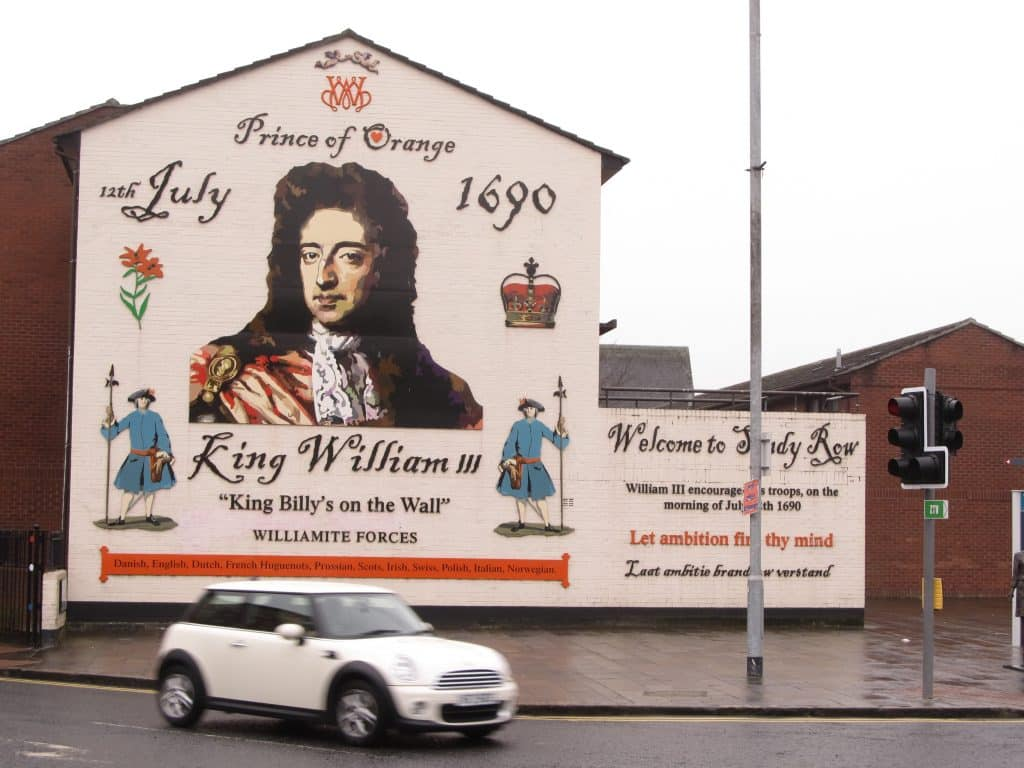
Where is it?
On Sandy Row in South Belfast, a few minutes’ walk from the city centre, on the gable wall at the heart of this traditionally loyalist community.
What does it show?
A huge portrait of King William III (William of Orange) with the text:
You’ll also spot crowns, heraldic symbols and sometimes banners overhead declaring the area “British and Proud.”
What story does it tell?
The mural celebrates King William’s victory over King James II at the Battle of the Boyne (1690), a foundational story for many unionists and loyalists:
The mural has been redesigned over the years to look more polished and less militaristic, reflecting a wider move in some loyalist areas towards heritage and tourism rather than overt paramilitary imagery.
Why visit?
Because it’s one of the clearest visual statements of loyalist identity in Belfast – and it’s very central. If your blog is aimed at visitors, this is an easy stop to combine with city-centre sightseeing, giving a flavour of the Orange tradition without going deep into West Belfast.
“Welcome to the Shankill Road” – Gardiner Street
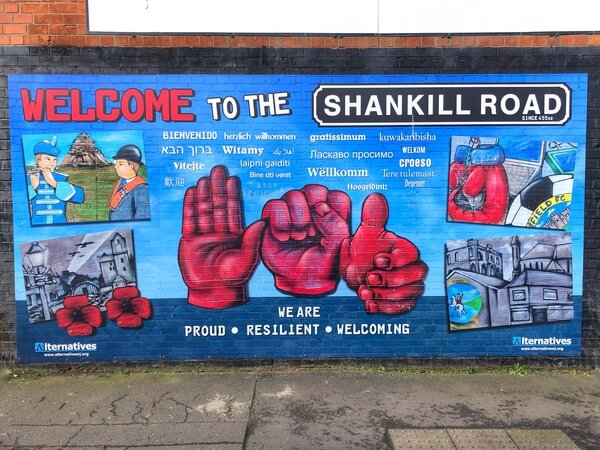
Where is it?
On Gardiner Street, just off the Shankill Road. It’s the newer “Welcome to the Shankill” mural that replaced an older version around 2019.
What does it show?
It also lists “welcome” in many languages – Polish, for example, appears – though notably Irish isn’t included, something that sparked local debate.
What story does it tell?
This mural is less about the Troubles and more about modern community identity:
It’s a reminder that murals here don’t just look backwards – they also argue about what the present and future of the neighbourhood should look like.
Why visit?
It’s one of the best spots to photograph a more upbeat side of Shankill Road and to see how imagery, language and inclusion/exclusion are still negotiated on the wall.
CS Lewis “Narnia” Mural – East Belfast
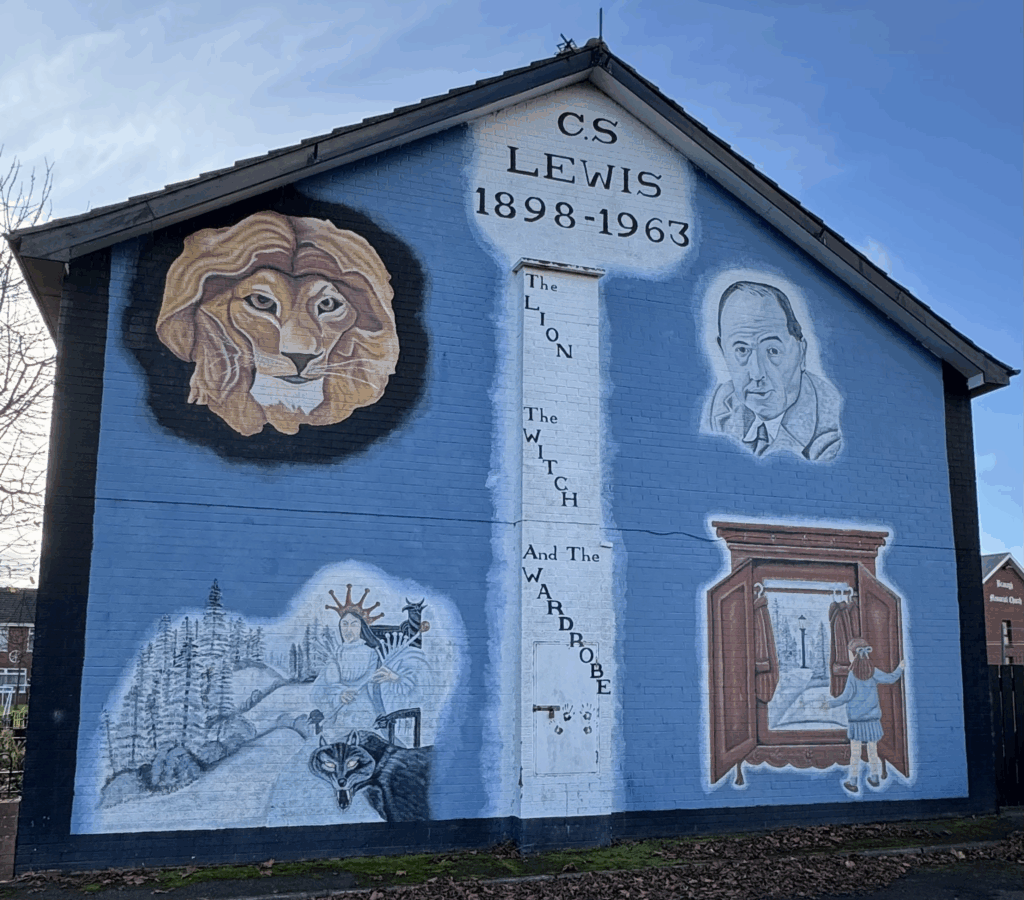
Where is it?
On a gable wall in Convention Court, just off the Newtownards Road in East Belfast, close to the Holywood Arches area.
What does it show?
What story does it tell?
This one steps away from the Troubles and celebrates Belfast’s cultural heritage:
Why Visit?
For visitors, this mural is a perfect stop if you want something a bit gentler than the political walls of West Belfast. It’s bright, imaginative and great for photos, and it links directly to CS Lewis Square and the wider Narnia trail nearby – so you can turn it into a mini literary walk in East Belfast, with cafés and local shops close at hand.